


Health is everywhere.
On social media, we're told how long we should sleep, how much we should exercise, what we should eat, what we shouldn't eat, and what the perfect routine looks like. In the newspapers, another study is always waiting to tell us what we're doing right — or wrong.
For Flemming Møldrup, that constant stream of information may be part of the reason healthy living has started to feel so difficult.
"I think people feel like it's completely overwhelming to create a health routine they can actually stick to, enjoy, and keep doing for long enough to feel a difference."

There is also the pressure of how health looks from the outside. Despite a growing conversation around body acceptance, Flemming believes we're still deeply preoccupied with appearance, and often use the body as a visible measure of how well someone is doing.
His own response has been to make health smaller.
Rather than trying to overhaul everything at once, Flemming approaches his routines the same way you would approach something far too big to tackle in one go.
"For me, it's about taking one bite of the elephant at a time. Because if I have to swallow the whole elephant, I know I'll give up."
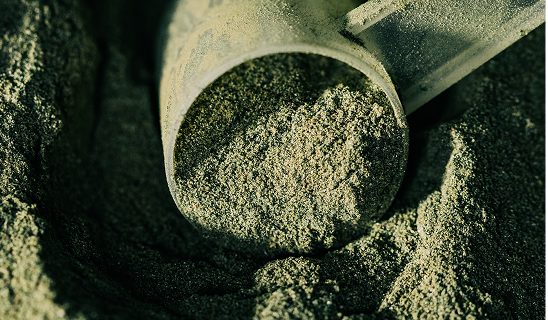
He has always dreamed of being someone who could run really far. He isn't. So instead, he runs shorter distances. He tries to eat well. He drinks his aioss every morning.
And once those things become part of everyday life, he can build from there.
"It's about starting in a tiny corner. When I've made something into a routine, then I can add to it."

There is something refreshingly unambitious about Flemming's approach to health, at least in the traditional sense of optimisation.
He isn't trying to engineer the perfect body or maximise every possible year of his life. His definition of health starts somewhere else entirely.
"The good life for me isn't necessarily about living to 100. It's about one day being able to look back and know that I've had a rich and full life with lots of love, good friends and great experiences."
Flemming describes himself as a 'livsnyder', someone who wants to enjoy life. His healthy habits have to leave room for that.
That also means they can't require too much from him.
"As soon as my health routines start demanding too much of me, I don't think they're fun anymore."
It's part of what makes aioss work in his everyday life. It asks very little of him: something simple he can do every morning before moving on with his day.
"It's nice to start the day by filling the tank with something good. That has never hurt anyone."

For Flemming, that morning matters.
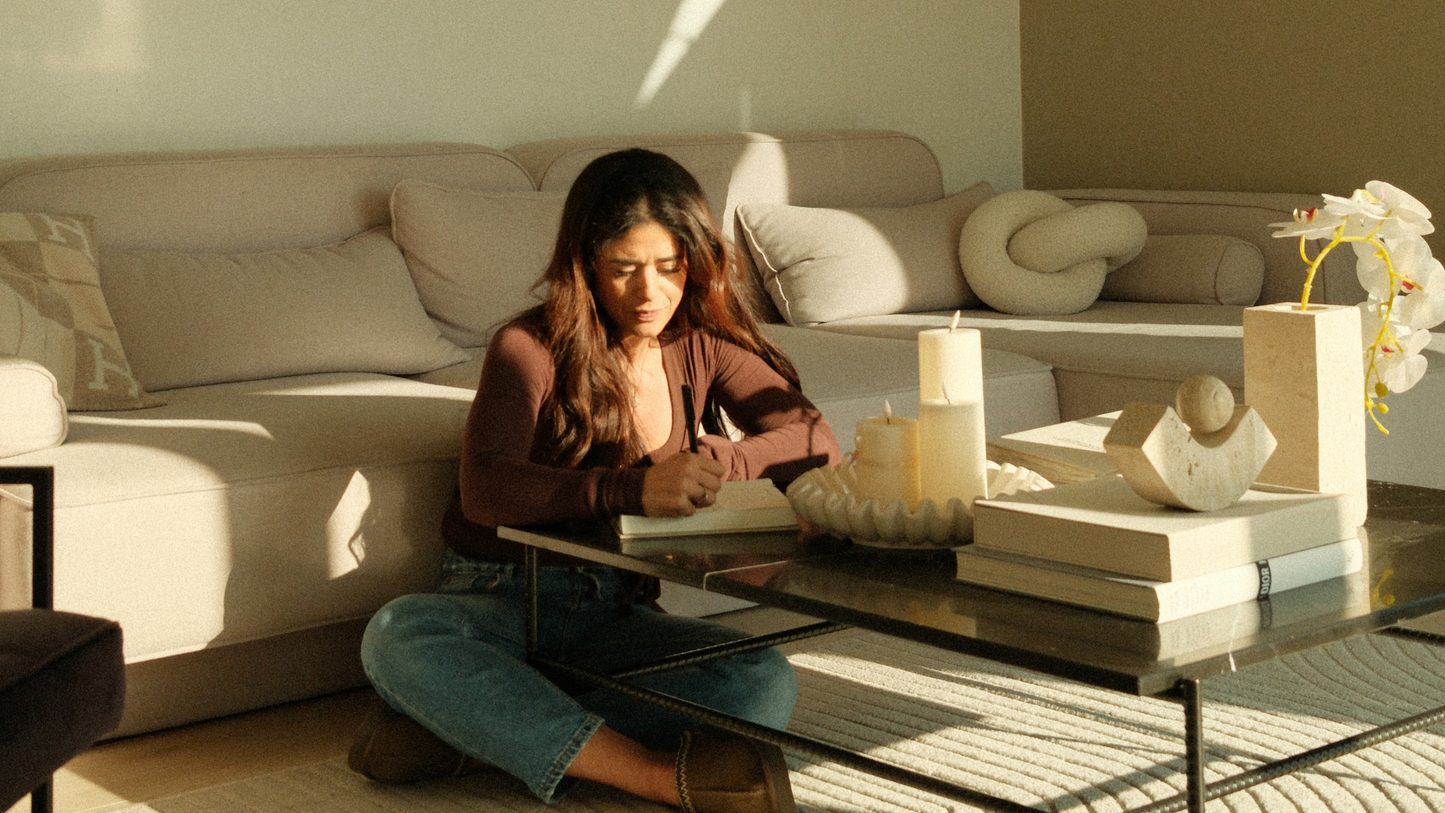
His ideal start isn't particularly complicated. He wakes up well-rested after going to bed at a reasonable time. He makes coffee and his aioss. Sometimes he sits on the balcony and watches the day wake up. Other mornings are spent in bed talking with his partner about what the day holds.
Then it's a walk with the dog and, eventually, out the door.
The common denominator is time.
Flemming knows slow mornings aren't available to everyone. But when possible, he deliberately creates space for them by going to bed early enough to wake around six, even if he doesn't need to be at the office until nine.
"I think it's about prioritising it. For me, it's a good start to the day. And if I get a good start to the day, I usually have a good day."

It brings the conversation back to where it began.
Perhaps healthy living feels so hard because we've made the idea of health enormous. A perfect diet. A perfect body. The right training plan. More sleep. More steps. More knowledge. More optimisation.
Flemming's approach is almost the opposite.
Make it smaller.
Start with something you can actually do. Give it enough time to become part of your life. Then, maybe, add something else.
Before we leave, Flemming offers one final morning ritual. No equipment, tracking or elaborate routine required.
"If I had to give one tip for a good morning, it would be to get up, look at yourself in the mirror and say: 'It's going to be a good day.'"
He smiles.
"Then it usually is."